

Gallbladder surgery (cholecystectomy) in Oxford
Gallbladder problems, particularly gallstones, can cause recurrent pain, nausea, and disruption to daily life.
I provide specialist private gallbladder surgery in Oxford, with rapid access to assessment and treatment using minimally invasive (keyhole) techniques.
Most patients are seen within 1-2 weeks of enquiry, earlier assessment can often be arranged if you have acute gallbladder problems.

What is the gallbladder?
The gallbladder is a small organ that stores bile, which helps digest fats.
Gallstones can form within the gallbladder and may lead to:
-
Pain (biliary colic)
-
Inflammation (cholecystitis)
-
Infection or complications
-
Rarely, potentially life-threatening complications including pancreatitis and cholangitis
Symptoms of gallstones
Common symptoms include:
-
Pain in the upper abdomen (often after eating)
-
Pain that may radiate to the back or right shoulder
-
Nausea or vomiting
-
Bloating or intolerance to fatty foods
Symptoms often occur in episodes and may become more frequent over time.


Pre-operative assessment and investigation
Accurate diagnosis and careful pre-operative planning are essential.
Ultrasound Scan
Gallstones are usually diagnosed on ultrasound, which is the first-line investigation.
-
Ultrasound scans performed during previous hospital admissions or via your GP are usually acceptable, and can often be used to avoid unnecessary repeat testing
-
If required, I can arrange a repeat or updated scan
MRI Scan (MRCP)
In many cases, I will arrange a pre-operative MRI scan called an MRCP (Magnetic Resonance Cholangiopancreatography).
This allows:
-
Detailed assessment of the bile ducts
-
Confirmation of normal biliary anatomy
-
Detection or exclusion of bile duct stones
This additional step helps ensure that surgery is planned safely and appropriately, reducing the risk of unexpected findings during the operation.
When should you consider surgery?
Surgery is usually advised if:
-
You have symptomatic gallstones
-
You have had repeated attacks of pain
-
There has been inflammation or infection
-
Symptoms are affecting your quality of life
Once gallstones are causing symptoms, they are likely to recur, and surgery offers a definitive solution.
But, it is important to be aware that the majority of people with gallstones suffer no symptoms from them, and removal of the gallbladder for asymptomatic gallstones is not recommended.

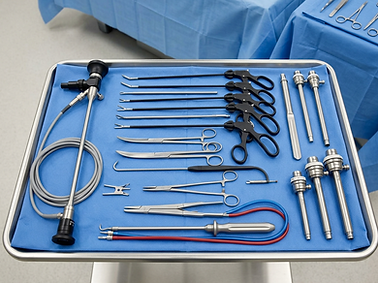
Laparoscopic (keyhole) gallbladder removal
Gallbladder removal (cholecystectomy) is usually performed using laparoscopic (keyhole) surgery.
Benefits include:
-
Smaller incisions
-
Less post-operative pain
-
Faster recovery
-
Short hospital stay (often day-case or overnight)
-
Early return to normal activities
This is a routine and well-established procedure with excellent outcomes in appropriately selected patients.
Experience with acute gallbladder surgery
Some patients present with acute gallbladder inflammation (cholecystitis), which may require urgent or early surgery—often referred to as “hot” laparoscopic cholecystectomy.
This type of surgery is typically more complex and carries higher risks than planned (elective) procedures due to:
-
Active inflammation
-
Distorted anatomy
-
Increased technical difficulty
In addition to my elective practice, I am a gallbladder surgeon and Clinical Lead at the Surgical Emergency Unit at the John Radcliffe Hospital, one of the busiest acute gallbladder services in the UK.
-
Within this unit, we have an outstanding record of delivering safe, timely, and effective acute laparoscopic cholecystectomy.
This experience translates directly into my private practice, ensuring:
-
Careful operative decision-making
-
Safe management of complex cases
-
High standards of surgical technique


Recovery after surgery
-
Usually discharged the same day or next day
-
Return to light activities within 1–2 weeks
-
Most patients resume normal diet quickly
-
Full recovery typically within 2–4 weeks
You will receive detailed post-operative advice and follow-up.
Life after gallbladder surgery
-
Most patients experience complete resolution of symptoms.
-
You can live normally without a gallbladder
-
The liver continues to produce bile
-
A small number of patients may notice mild changes in digestion initially


Self-pay gallbladder surgery in Oxford
-
I offer a clear and efficient self-pay pathway for gallbladder surgery.
-
Rapid access to consultation
-
Streamlined investigations
-
Surgery without long waiting times
-
Guide price:
-
£9,000 – £10,000
(depending on hospital and individual requirements)
Why choose my practice
-
Experienced consultant general surgeon
-
High volume of laparoscopic gallbladder procedures
-
Specialist experience in complex and acute gallbladder surgery
-
Clinical Lead at a major UK acute gallbladder service
-
Minimally invasive approach wherever appropriate
-
Focus on patient safety and outcomes
-
Careful pre-operative assessment including MRCP where indicated

Book a consultation
I also provide specialist care for general surgical conditions including: